AND…I AM BACK!!!!!!!
I’ve been unable to connect with you, my dear readers, for a few months now, and all because the blogsite has been playing up and refusing to let me sign in.
Then when it let me, it wouldn’t let me upload the photographs! If you are reading this, know that it is finally up and running. But there’s more formatting work to be done as you can make out by the type size of the text and the spacing and such.
And in the midst of all this, I am getting extra spam mail traffic!
Anyway, more on that later. Today, let’s talk guitar, or rather, bass!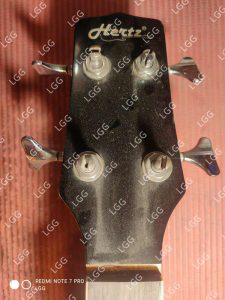
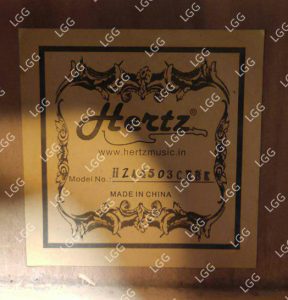
This acoustic bass came to me with a complaint of higher than comfortable action.
As I checked the guitar, there was an appreciable belly that had developed and even the bridge was rising.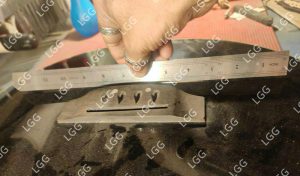

And by now, I hope you know the story behind pearl dots on bridges! For those new to the blog, or not knowing, these mask nuts and bolts that (seemingly) help in holding down the bridge. How much they help in holding down the bridge, can be gauged by this example!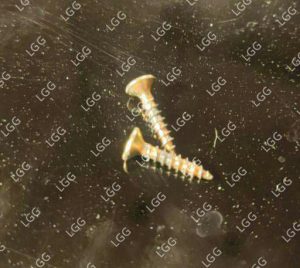
Note: Those of you wishing to buy a new guitar/bass should desist from buying such an instrument! The hardware does nothing to hold down the bridge, and in fact, when the bridge lifts, it does so tearing out the top. I’ve seen many such instruments and the cost of repair increases exponentially.
Thankfully, things had not come to that pass in this bass. The bridge came off with some effort but without much damage. 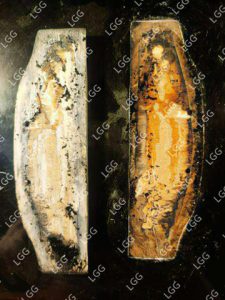
The first thing I did was not clean the underside of the bridge and its footprint but try and remove the belly in the instrument.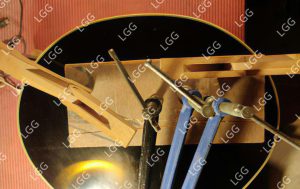
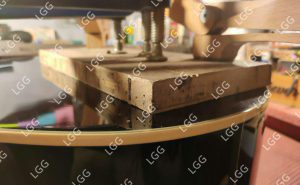
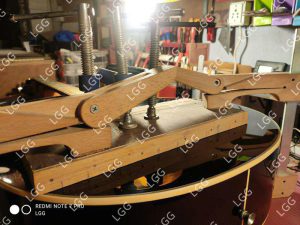
While the clamps stayed in place for two days, meantime, I cleaned up the underside of the bridge. After two days, when I loosened the clamps, the belly was gone, but that was no guarantee that it wouldn’t return!
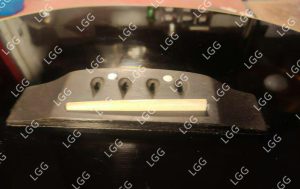
I worked on the bridge footprint (see the outline of where the bridge sat in photographs above) – a long tiring process – cleaning the area of the finish and old adhesive, before the surface was ready to receive the bridge. The rest was simple. Slather on some glue, slap on the bridge, throw on some clamps and leave the entire system to cure over a few days.
One other thing I did was plug the holes in the top and put the pearl dots in place on the bridge (without the screws, of course). 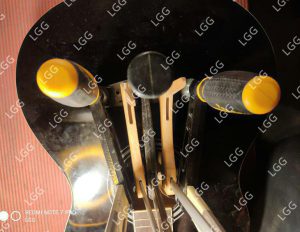
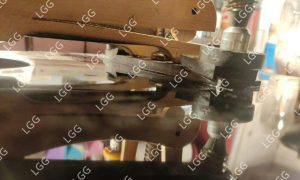
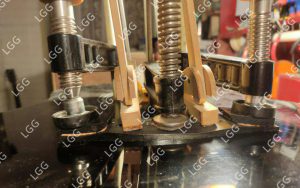
And while the glue cured, I got to work on the guitar body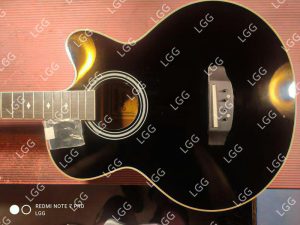
the fretboard and the fretwires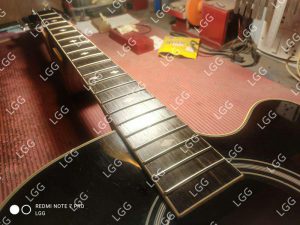
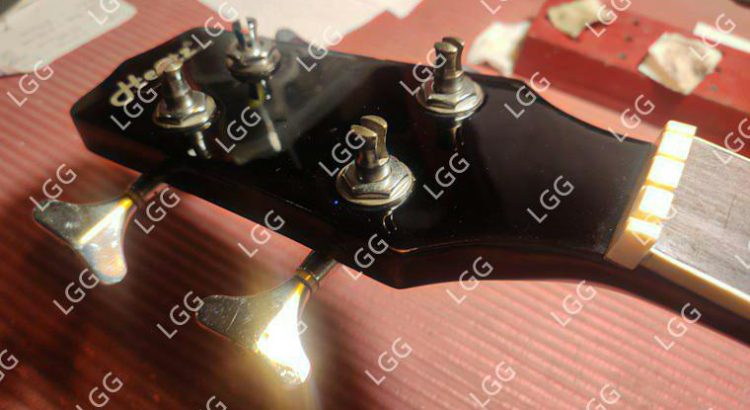
the headstock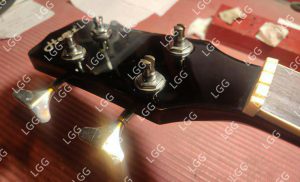
and even the nut and (later) saddle, cleaning them of months of dust and deposits.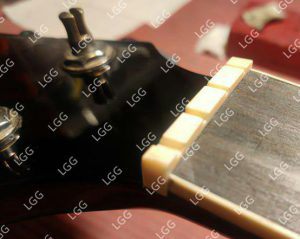
I did not have to restring the instrument as the owner said that he would do it himself.
